Wellcore Creatine DHT: Does It Raise DHT or Cause Hair Loss?
If you are searching for Wellcore creatine DHT levels, you probably want to know whether this supplement can raise dihydrotestosterone (DHT), speed up hair loss, or affect a DHT blood test. Here is what the research actually says, including the study that started much of the discussion and a newer clinical trial.
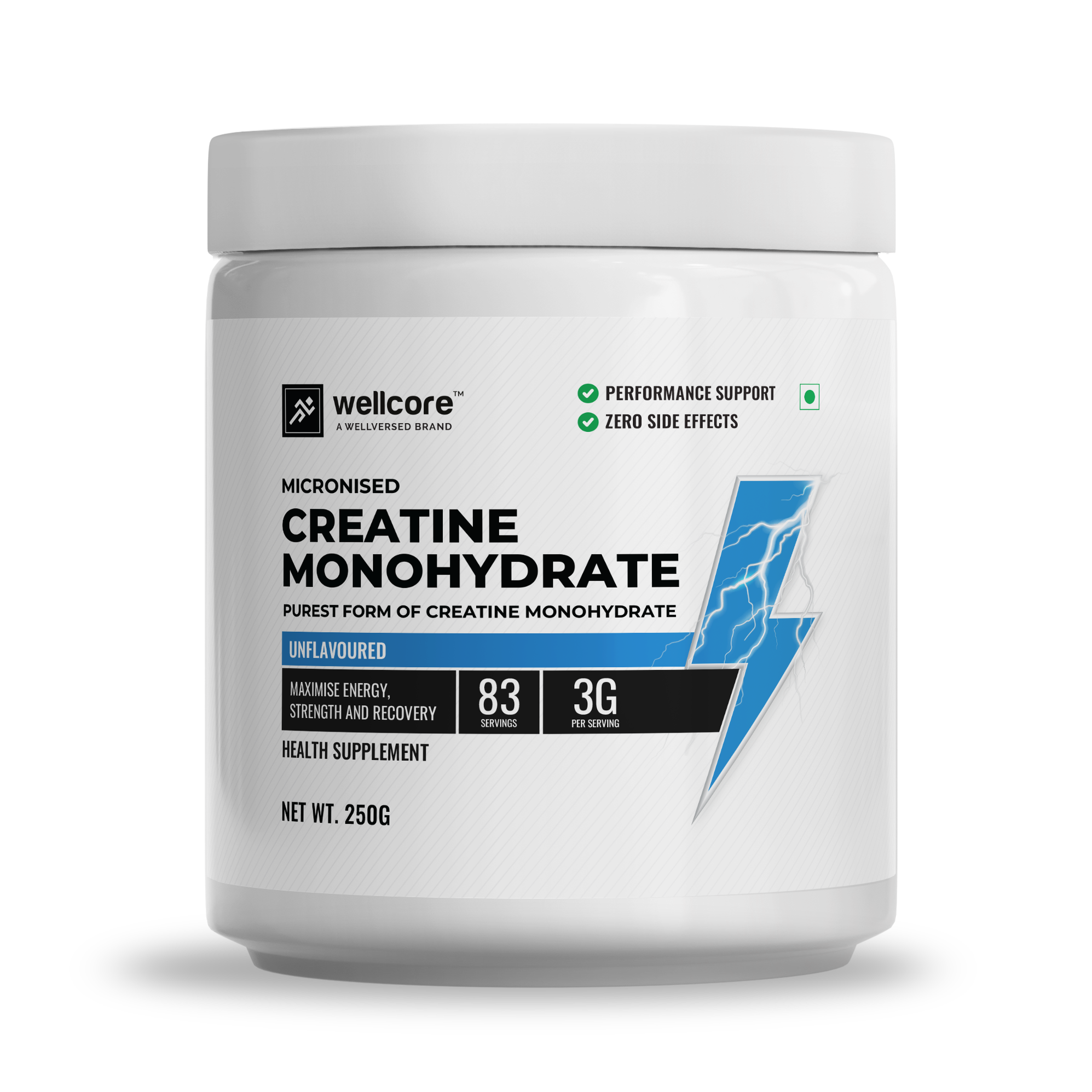
Compare the current Wellcore listing, pack size and label before deciding whether to buy.
View Wellcore on AmazonDoes Wellcore Creatine Increase DHT?
The careful answer is that no Wellcore-specific clinical trial has established that the product increases DHT. Most discussion about creatine and DHT comes from research on creatine monohydrate in general, not tests of the Wellcore brand.
What is known
A small 2009 study in college-aged rugby players reported an increase in DHT after a short creatine protocol.
What newer evidence says
A 2025 randomized trial found no significant supplement-related changes in DHT, DHT-to-testosterone ratio, or measured hair outcomes over 12 weeks.
What remains uncertain
Studies are still limited in size and duration. They cannot guarantee the same outcome for every person, dose, product or long-term use.
Wellcore products commonly use creatine monohydrate, but check the exact tub's ingredient panel and serving directions. A product's ingredient list does not, by itself, prove that it changes a hormone. We also could not identify a published Wellcore-specific DHT test or clinical trial in the sources reviewed for this article.
What Is DHT, and Why Do People Link It to Hair Loss?
Dihydrotestosterone, usually shortened to DHT, is an androgen hormone made from testosterone with help from an enzyme called 5-alpha-reductase. DHT has normal roles in the body. It is also involved in androgenetic alopecia, often called pattern hair loss, because genetically susceptible scalp follicles can respond to androgens by gradually becoming smaller.
That does not mean a higher DHT result automatically means someone will lose hair, or that everyone with a typical DHT level is protected from hair loss. Genetics, follicle sensitivity, age, family history and other health factors matter. A blood value is only one part of a clinical picture.
Hair shedding can also have causes unrelated to DHT, including illness, stress, nutritional deficiencies, certain medicines and scalp conditions. If you notice sudden, patchy or rapidly progressing hair loss, do not assume creatine is the cause; a clinician or dermatologist can help assess it.
What Does the Research Say About Creatine and DHT Levels?
Three useful pieces of evidence help put the concern into context. The studies below examined creatine generally, not Wellcore as a brand.
1. The 2009 rugby-player study that raised the concern
A small randomized, placebo-controlled crossover study involving college-aged rugby players reported higher DHT after a creatine supplementation protocol. Participants used a loading phase followed by a maintenance phase over three weeks. The paper reported a rise in DHT and in the DHT-to-testosterone ratio in the creatine phase.
This study matters because it is often cited in online discussions about creatine and hair loss. But it had a small sample, lasted only three weeks, and did not measure hair loss or changes in hair follicles. A hormone result is not the same thing as proof that a supplement causes baldness.
Read the abstract: Three weeks of creatine monohydrate supplementation and DHT in rugby players (PubMed).
2. The 2021 review of common creatine misconceptions
A review in the Journal of the International Society of Sports Nutrition discussed the DHT concern and noted that the 2009 finding had not been replicated in the wider evidence available to the authors. It also pointed out that the DHT values reported in that study remained within normal clinical limits and that the study did not measure hair loss. Across the studies it reviewed, the evidence did not indicate that creatine increased DHT or caused baldness.
A review is useful for weighing several studies together, although its conclusion is limited by the studies available at the time. It should not be read as proof that every question about creatine and hair has been settled.
Read the review: Common questions and misconceptions about creatine supplementation (2021).
3. The 2025 randomized trial measured hormones and hair outcomes
A more recent randomized, double-blind, placebo-controlled study assigned resistance-trained men to 5 grams of creatine monohydrate per day or placebo for 12 weeks. Thirty-eight participants completed the trial. Researchers measured total testosterone, free testosterone, DHT, the DHT-to-testosterone ratio and several hair-related outcomes.
The study found no significant differences between groups in DHT, the DHT-to-testosterone ratio, hair density, follicular unit count or cumulative hair thickness. This is more directly relevant to the hair-loss question than a study that measures hormones alone. Still, the trial was relatively small and lasted 12 weeks, so it cannot answer every question about all populations or years of use.
Read the study: Does creatine cause hair loss? A 12-week randomized controlled trial (PubMed).
| Evidence | What it measured | What it can tell us | Important limitation |
|---|---|---|---|
| 2009 rugby-player study | Hormones including DHT | Reported a DHT increase during the short protocol | Small sample; did not measure hair loss |
| 2021 evidence review | Earlier studies on creatine and hormones | Found the original DHT result had not been replicated in the evidence reviewed | Depends on the research available at publication |
| 2025 randomized trial | DHT, testosterone and hair measures over 12 weeks | Found no significant differences between creatine and placebo groups | Small sample and limited duration |
Can Wellcore Creatine Cause Hair Loss?
There is no good evidence that Wellcore creatine specifically causes hair loss. The available research on creatine monohydrate overall also does not currently establish a causal link between supplementation and baldness. However, hair loss is personal and multifactorial, and research cannot promise that an individual will never experience shedding while using a supplement.
What if male-pattern baldness runs in your family?
A family history can raise your likelihood of androgenetic alopecia, but it does not prove creatine will accelerate it. The 2025 trial did not find changes in the measured hair outcomes over 12 weeks, but it was not large enough to settle every question about people with different genetic risks over many years.
If you already have progressive thinning and are worried, consider discussing your training supplements with a dermatologist. You can make an informed decision together rather than relying on a viral post, a single hormone result or a supplement seller's claims. Do not start or stop a prescription hair-loss treatment based on this article.
Does creatine increase testosterone too?
Creatine is not a testosterone booster in the usual sense. The broader research reviewed by sports-nutrition researchers has generally not shown consistent increases in total or free testosterone. The 2025 trial did not find hormone changes attributable to creatine compared with placebo. Creatine is primarily used to support high-intensity exercise performance, not to manipulate androgen levels.
Is There a Wellcore Creatine DHT Test?
If you searched for Wellcore creatine DHT test, it is worth separating two different things:
A test of the product
A product test would need to examine the exact formulation and its effects in people. We could not identify a published clinical trial showing that Wellcore creatine changes DHT levels.
A blood test for DHT
A clinician may order a serum DHT blood test when it is relevant to a medical assessment. It measures DHT in the blood; it does not directly measure the sensitivity of scalp follicles.
A test for hair loss
A dermatologist may assess the pattern and history of hair loss, examine the scalp and decide whether any laboratory tests are appropriate. A DHT test is not necessary for everyone.
Do not interpret an isolated lab number without the lab's reference range and a clinician's advice. Testing methods and reference ranges can vary, and a normal blood DHT result does not rule out androgenetic alopecia. Equally, a result outside a reference range needs context; it does not automatically prove that creatine caused it.
What Should You Do Before Taking Wellcore Creatine?
Check the exact product
Read the ingredients, serving size and directions on your own Wellcore tub. Different flavours or formats may have different additional ingredients or scoop weights.
Use a sensible routine
Do not exceed the label directions to chase faster results. Keep track of the supplements you use and follow reputable exercise-nutrition guidance.
Get advice for personal risks
If you have a medical condition, take regular medication, or are experiencing noticeable hair loss, discuss your situation with a qualified healthcare professional.
For many healthy adults, creatine monohydrate is a well-studied sports supplement. That general evidence does not replace checking your specific product or getting medical advice where needed. If you decide to use Wellcore, compare the current label and listing rather than assuming every product sold under the brand is identical.
Still comparing Wellcore Creatine?
Start with the product details and serving information, then decide whether it fits your routine. We do not recommend buying a supplement to treat hair loss or change DHT; the research does not support that use.
Frequently Asked Questions
Does Wellcore creatine increase DHT levels?
No published Wellcore-specific clinical evidence was identified showing that it increases DHT. Research on creatine monohydrate overall is mixed historically but more recent evidence has not shown a significant DHT increase in a 12-week randomized trial.
Can Wellcore creatine cause hair loss?
Current evidence does not establish that creatine causes hair loss, and no Wellcore-specific evidence was identified. If you notice ongoing thinning or sudden shedding, a dermatologist can help assess the cause rather than assuming creatine is responsible.
Why do people say creatine raises DHT?
The concern largely traces to a small 2009 study in rugby players that reported a DHT increase after a short creatine protocol. That study did not measure hair loss, and its DHT finding has not been consistently reproduced in later evidence.
Should I get a DHT blood test before using creatine?
Not everyone needs a DHT test before taking creatine. Ask a healthcare professional whether testing is appropriate for your symptoms and medical history. A blood result alone cannot predict how sensitive your scalp follicles are to DHT.
Can creatine cause hair loss if baldness runs in my family?
A family history can increase the likelihood of pattern hair loss, but it does not prove creatine will accelerate it. Research to date is reassuring but limited, so discuss persistent hair changes with a dermatologist.
Is Wellcore creatine tested for DHT effects?
We could not identify a publicly available Wellcore-specific clinical trial testing its effect on DHT. Do not treat general creatine research or a product's ingredient list as proof of a brand-specific hormone effect.
Does DHT level alone diagnose male-pattern baldness?
No. Pattern hair loss is assessed using the hair-loss pattern, history, examination and other factors. DHT blood testing may not be needed and does not directly measure how scalp follicles respond to androgens.
Related Wellcore Creatine Guides
Medical research checked on 14 October 2026. Product information can change. Research links are provided for readers who want to examine the original evidence.