Is Wellcore Creatine Safe? Benefits, Side Effects & Who Should Avoid It
If you are asking “is Wellcore creatine safe?”, you want more than a product claim. You want to know whether it is likely to harm your kidneys, cause side effects, or be worth taking for your fitness goals. This guide separates what research says about creatine monohydrate from what is known about the Wellcore brand itself.
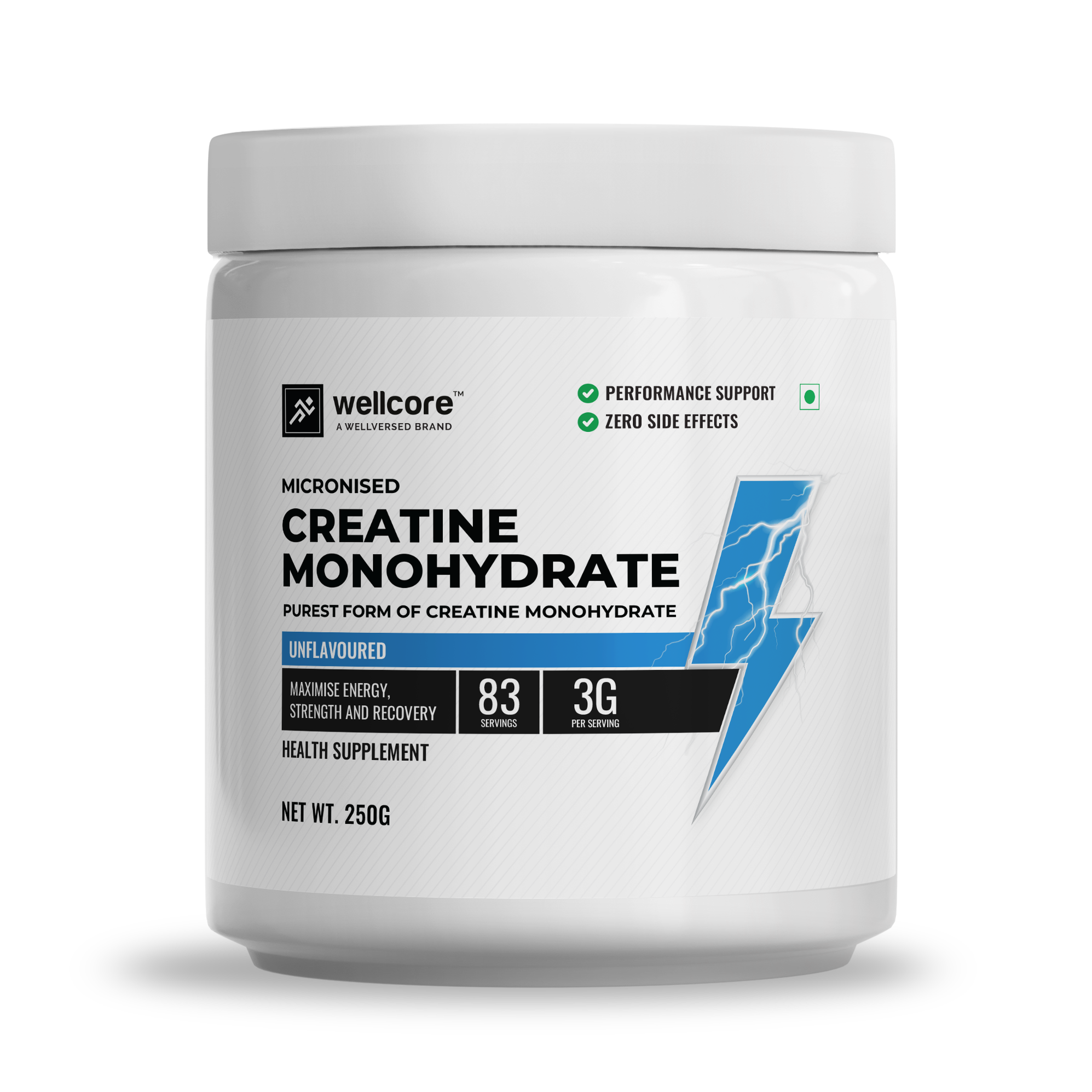
Check the current pack label and seller details before purchasing. Product formulas and packaging may change.
Creatine monohydrate has a well-studied safety record at standard doses.
Water-weight gain, stomach discomfort or bloating can occur, especially with large doses.
General creatine studies do not certify every Wellcore product or batch.
Is Wellcore Creatine Safe or Not?
The fairest answer is: it may be a reasonable option for a healthy adult, but safety depends on the exact product, dose, health history and how you use it. Wellcore sells creatine products, but most safety research studies creatine monohydrate as an ingredient, not a specific Wellcore tub purchased from a particular seller.
The International Society of Sports Nutrition reviewed the research and concluded that creatine monohydrate is generally safe for healthy people when used appropriately. A 2025 systematic review and meta-analysis of kidney-function studies also found no significant change in glomerular filtration rate, although creatine can raise measured blood creatinine. These findings are reassuring, but they are not a guarantee for every person or product. Read the ISSN position stand and the 2025 kidney-function review.
Is Wellcore Creatine Good for Health?
Creatine is not a vitamin or a replacement for a balanced diet. It is a compound your body makes and stores mainly in muscle. Supplementing with creatine monohydrate can increase muscle creatine stores, helping support repeated short bursts of high-intensity exercise such as lifting weights or sprinting.
For someone who strength trains consistently, creatine may help improve training performance and support gains in strength and lean mass over time. Results still depend on progressive training, sufficient food, protein, sleep and consistency. Taking creatine without training will not automatically build muscle or make you healthy.
- Potential benefit: better capacity for repeated high-intensity efforts and support for training progress.
- Not a shortcut: it does not replace a good workout plan, enough calories or sleep.
- Not essential for everyone: if you do not have a relevant fitness goal, you may not need a supplement.
Creatine monohydrate is the form with the strongest body of evidence. If the Wellcore pack you are considering contains creatine monohydrate, the ingredient evidence is relevant, but you should still verify the ingredients, serving size, batch details and authenticity of the pack.
Check the ingredients on the actual pack
Compare the label, serving size, seller and batch details with what you read here. The listing is a place to inspect current product information, not proof of a medical safety guarantee.
What Are the Possible Side Effects of Wellcore Creatine?
Creatine is usually tolerated well by healthy adults, but some people notice unwanted effects. These can depend on dose, individual sensitivity, how the powder is taken and whether the product contains additional ingredients.
Water-weight gain
Your weight may rise as muscles hold more water. This is not the same as gaining body fat, but it can matter if you compete in a weight class.
Stomach discomfort
Large single doses may cause nausea, loose stools or stomach upset. A smaller daily serving may be easier to tolerate.
Bloating or fullness
Some people feel temporarily fuller or notice a change in body weight. If symptoms persist, stop and ask a healthcare professional.
Blood-test confusion
Creatine can affect blood creatinine levels. Tell your clinician that you take it so results can be interpreted in context.
Do not assume every symptom is caused by creatine. Severe, unusual or persistent symptoms deserve medical advice. Stop taking the supplement and seek urgent care for signs of a serious allergic reaction, such as trouble breathing or swelling of the face or throat.
Read the full Wellcore product review
Check the product details, ingredients, value and practical limitations in one place. Use it alongside the label on the pack you are considering.
Does Wellcore Creatine Damage Your Kidneys?
Kidney safety is one of the most common concerns. In healthy adults, current evidence does not show that standard creatine monohydrate use typically damages kidney function. However, the evidence cannot be used to tell every person with existing kidney disease that creatine is safe for them.
Creatine can cause a modest rise in serum creatinine, a marker commonly used when assessing kidney health. That change does not automatically mean kidney damage: creatinine is also influenced by muscle mass, diet, exercise and creatine intake. The 2025 systematic review found a small increase in serum creatinine but no significant change in glomerular filtration rate across the studies included. Your clinician may consider the full clinical picture and other tests if results are unclear. See the review abstract on PubMed.
Talk to a doctor before using creatine if you have kidney disease, a history of abnormal kidney tests, a single kidney, uncontrolled blood pressure or diabetes, or if you take medicines that may affect kidney function. This list is not a diagnosis or a complete list of risks.
If you have blood work scheduled, tell the healthcare professional that you use creatine. Do not stop prescribed medicine or interpret a lab result on your own because you read something online.
How Much Wellcore Creatine Should You Take?
Many adult studies use around 3–5 grams of creatine monohydrate per day as a maintenance amount. That is a general evidence-based range, not a personalised prescription and not a replacement for the directions on your exact Wellcore pack. Check the serving size and ingredient panel because products and formulations can differ.
- Start with the label: use the serving and preparation directions for the exact product you purchased.
- Be consistent: daily use is more relevant than taking a very large dose only on workout days.
- Do not feel you need a loading phase: loading is optional in some protocols and can increase stomach discomfort for some users.
- Avoid excessive amounts: more is not automatically better. Do not stack multiple products without checking their combined ingredients and dose.
- Stay normally hydrated: drink fluids according to thirst, activity and heat. You do not need to force extreme amounts of water.
If you are under 18, pregnant or breastfeeding, or have a medical condition, do not follow an adult gym routine without getting appropriate professional guidance first.
Check the current price and pack size
Once you know creatine is appropriate for you, compare the price guide and serving size rather than choosing by tub price alone.
Who Should Avoid Wellcore Creatine or Get Medical Advice First?
Creatine is not automatically appropriate for every person. Get individual medical advice before taking it if any of the following apply:
- You have diagnosed kidney disease or have been told your kidney blood tests are abnormal.
- You take prescription medicines or other supplements that may affect your kidneys or fluid balance.
- You are pregnant or breastfeeding, or you are considering creatine for a child or teenager.
- You have a complex medical condition, unexplained symptoms, or a history of a serious reaction to supplements.
- You cannot confirm the product identity, ingredient list, seal or seller authenticity.
This does not mean every person in these groups will be harmed by creatine. It means the general evidence from healthy adults is not enough to make a personal safety decision for you. A clinician who knows your health history can help weigh the possible benefits and risks.
How to Check Whether Your Wellcore Pack Is Trustworthy
Ingredient safety is only one part of the decision. A counterfeit, damaged, expired or poorly stored product can introduce risks that are not answered by creatine research. Before using the powder, check the actual pack in your hands.
- Check the seal and packaging. Avoid a pack with a broken seal, suspicious damage, altered labels or signs of tampering.
- Read the full ingredient panel. Confirm whether it is plain creatine monohydrate or a flavoured formula with other ingredients.
- Check batch and expiry information. Do not use a product with missing, unreadable or altered details.
- Buy from a reputable seller. Check the seller name, return policy and current product listing. A marketplace listing alone does not guarantee every unit is authentic.
- Follow storage instructions. Keep the container closed and store it as directed on the pack.
We cannot verify the authenticity of an individual pack from a product photo or listing. If anything looks suspicious, do not consume it; contact the brand or seller for confirmation.
Wellcore Creatine Safe Hai Ya Nahi? (Simple Hinglish Answer)
Healthy adult ke liye: creatine monohydrate ko research mein generally safe maana gaya hai jab use sensible dose aur product label ke according liya jaye. Lekin iska matlab yeh nahi ki har Wellcore pack ya har person ke liye safety guaranteed hai.
Kya Wellcore creatine lena chahiye? Agar aap healthy adult hain, strength training karte hain, aur product genuine hai, toh aap isse consider kar sakte hain. Pehle label check karein, recommended serving follow karein, aur sirf muscle banane ke liye extra dose na lein.
Kab doctor se poochna chahiye? Agar kidney problem hai, blood test abnormal hai, regular medicines lete hain, ya aap 18 saal se chhote hain, toh supplement start karne se pehle qualified healthcare professional se baat karein.
Bottom line: creatine generally healthy adults ke liye well-studied supplement hai, but Wellcore-specific clinical safety evidence limited hai. Product ki authenticity aur aapki health history dono matter karte hain.
Understand the 250g Wellcore pack
Review the pack-size details and compare it with your needs before deciding whether to buy.
How to Use Creatine More Safely
A simple routine is often easier to follow than a complicated supplement stack. These habits can help you make an informed decision, although they cannot remove every possible risk.
- Keep the dose sensible. Follow the label and avoid taking extra scoops because you missed a day. A common adult maintenance amount in research is 3–5 g of creatine monohydrate per day, but your product's serving and your personal situation matter.
- Take it in a way your stomach tolerates. Mix the powder into water or another drink if the label allows it. If it causes stomach upset, do not keep increasing the amount; pause and seek advice if symptoms continue.
- Don't obsess over timing. For most recreational users, consistency is more important than taking it at an exact minute before or after a workout. Follow any specific preparation directions printed on your pack.
- Be careful with supplement stacks. Pre-workouts, mass gainers and other products may contain overlapping ingredients. Read every label and avoid combining products when you cannot work out the total amount.
- Keep a simple record. Note the product name, batch, serving size and when you started. If you notice an unwanted effect, stop using it and share those details with a clinician.
You do not need to cycle creatine on and off just because social media says so. There is no universal schedule that fits everyone. If you have a medical reason to stop, or a clinician advises you to stop, follow that advice.
Does Creatine Cause Dehydration, Cramps or Liver Damage?
Online discussions often repeat claims that creatine inevitably causes dehydration, muscle cramps or organ damage. Research reviewed by the International Society of Sports Nutrition does not support the idea that creatine monohydrate routinely causes dehydration or cramps in healthy people. That does not mean an individual cannot experience a problem or that every supplement product is risk-free.
Heat exposure, long workouts, illness, medicines and inadequate fluid intake can affect how you feel during training regardless of whether you take creatine. Use normal hydration habits that fit your activity and climate, and seek medical advice if you have persistent cramps, dizziness, vomiting or other concerning symptoms.
For liver or kidney concerns, avoid turning a general study into a personal guarantee. Evidence about standard creatine monohydrate use in healthy adults is reassuring, but it does not replace assessment if you have a known condition, abnormal tests or unexplained symptoms. A clinician can help you assess your personal risk.
Is Wellcore Creatine Better Than Getting Creatine From Food?
Creatine is naturally present in foods such as meat and fish, and your body also produces it. A supplement is a convenient way to increase intake, but it is not mandatory for health. If you prefer to focus on food, you can still make progress with a suitable diet and training plan.
For people who choose a supplement, plain creatine monohydrate is usually the sensible starting point because it is the form most studied in research. More expensive blends or marketing claims do not automatically mean a product is safer or more effective. Compare the ingredient list, cost per serving, serving size, seller reputation and any available quality-testing information rather than choosing on claims alone.
Wellcore may suit some buyers, but we cannot conclude that it is the best option for every person. If the pack does not clearly show its ingredients, batch details or expiry information, do not use it until you can verify those details with the seller or brand.
Frequently Asked Questions
Is Wellcore creatine safe for daily use?
Daily creatine monohydrate is commonly studied in healthy adults, often at 3–5 g per day. Follow your exact product label and get medical advice first if you have a health condition or take relevant medicines.
Is Wellcore creatine good for health?
It may help support high-intensity training and strength progress when combined with exercise. It is not necessary for everyone and does not replace a balanced diet, sleep or training.
Does Wellcore creatine cause hair loss?
We did not identify strong evidence that Wellcore specifically causes hair loss. For the wider creatine-and-DHT question, see our Wellcore Creatine DHT guide. Neither general creatine research nor this page can guarantee an individual outcome.
Explore what research says about DHT
Read the separate evidence guide on creatine, DHT and hair-loss concerns, including what the studies can and cannot tell us.
Can Wellcore creatine increase creatinine in a blood test?
Creatine supplementation can raise serum creatinine in some circumstances without necessarily indicating kidney damage. Tell your clinician about supplements you take and let them interpret your results.
Can I take Wellcore creatine without going to the gym?
You can take a supplement without training, but the main performance benefits are most relevant when you do regular high-intensity exercise. If you do not have a clear goal, you may not need it.
Kya Wellcore creatine acha hai ya nahi?
Agar product genuine hai aur ingredients clearly listed hain, toh creatine monohydrate ek reasonable option ho sakta hai for a healthy adult who trains. Lekin brand ke naam se hi safety guarantee nahi hoti; label, seller, dose aur personal health bhi check karein.
Related Wellcore Creatine Guides
Research links checked on 14 October 2026. This page is educational and is not a substitute for individual medical advice. Product details and availability can change.